September 29, 2026
Explore the transformative power of natural stone in redefining kitchen aesthetics and functionality. A granite countertop provides an elegant yet highly functional surface that can enhance nearly any kitchen design. With timeless appeal and impressive durability, granite has remained a favorite material among homeowners who want to combine style, practicality, and long-term value. As kitchens continue to serve as central spaces for cooking, dining, entertaining, and spending time with family, selecting the right surfaces can significantly influence the room's overall atmosphere. Understanding granite's appearance, durability, installation requirements, and customization possibilities can help homeowners determine whether it is the right investment for their renovation.
Discover the Aesthetic Appeal of Granite
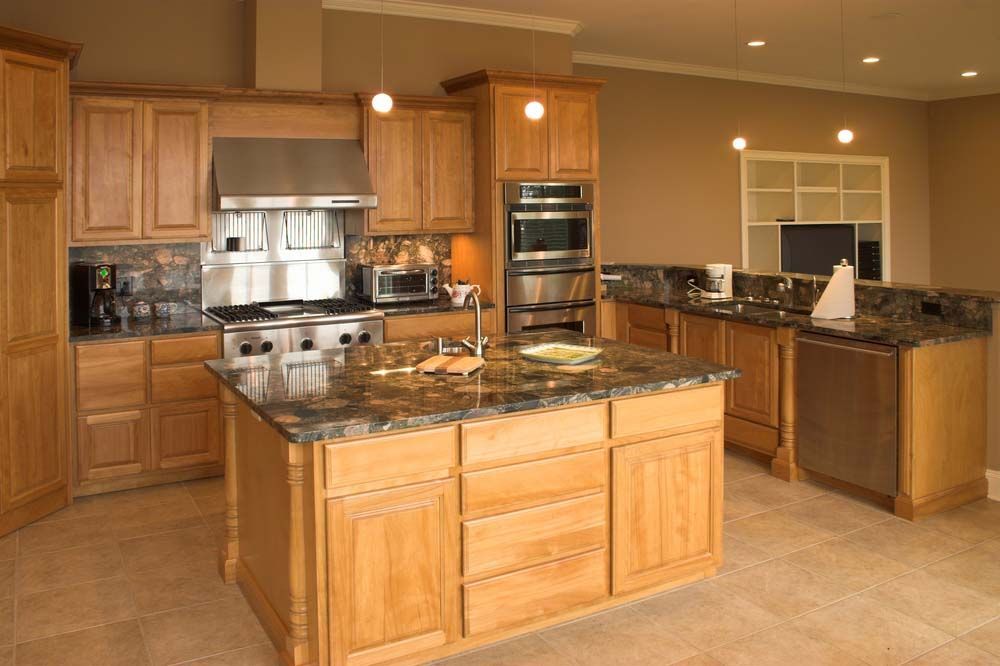
One of granite's most recognizable advantages is the enormous variety of colors, patterns, and natural details available. Slabs can range from deep black and subtle gray to cream, white, brown, green, and other distinctive shades. Natural speckles, veins, swirls, and mineral deposits ensure that every slab has its own character. This individuality gives homeowners an opportunity to select a surface that complements cabinetry, flooring, appliances, backsplashes, and other important kitchen features.
A carefully selected granite countertop can become a dramatic focal point or serve as a subtle foundation for the rest of the room. Polished surfaces can reflect light and contribute to a brighter, more refined atmosphere, while honed finishes offer a softer appearance. Granite also integrates effectively with traditional, contemporary, rustic, transitional, and modern kitchen designs. Because the stone is formed naturally, its visual depth and texture can introduce an organic element that manufactured surfaces may have difficulty replicating.
Create a Kitchen With Timeless Elegance
Kitchen trends regularly change, but natural stone has maintained its appeal across generations of home design. Granite can complement both understated kitchens and spaces filled with decorative details. Homeowners renovating an older property may use the material to preserve a traditional atmosphere, while those creating contemporary kitchens can select simpler patterns and streamlined edge profiles. This flexibility makes it possible to update surrounding features later without necessarily replacing the counters.
The natural appearance of stone can also help make a kitchen feel more inviting. Instead of serving purely as a work surface, a granite countertop can contribute texture, dimension, and visual interest to the entire room. Thoughtful lighting can further emphasize the stone's mineral deposits and pattern variations. When cabinetry, hardware, flooring, and lighting are coordinated with the selected slab, the result can feel intentional and cohesive rather than overly designed.
Benefit From Durability and Long-Term Performance
Kitchen surfaces must withstand frequent activity, from preparing meals and unloading groceries to hosting guests and completing everyday household tasks. Granite is valued for its hardness and ability to perform well in demanding environments. When properly installed and maintained, the stone resists many of the scratches and signs of wear that can affect softer materials. It also handles heat well, although using trivets and protective accessories remains a sensible way to preserve any kitchen surface.
Durability can be especially important for households that cook frequently or have busy family routines. Rather than choosing a surface based solely on appearance, homeowners can consider how it will perform after years of regular use. A quality granite countertop combines visual appeal with the strength required for an active kitchen. This balance can reduce concerns about premature deterioration and help homeowners enjoy their renovation for a longer period before considering another major update.
Understand Cleaning and Maintenance Requirements
Maintaining granite does not need to be complicated, but consistent care is important. Routine cleaning generally involves wiping the surface with a soft cloth, warm water, and an appropriate mild cleaner. Spills should be cleaned promptly, particularly when they involve oils, wine, acidic foods, or strongly colored ingredients. Abrasive cleaners and harsh chemicals should be avoided because they may affect the sealant or finish.
Depending on the specific stone and sealer used, periodic resealing may be recommended to help limit moisture and staining. Homeowners should follow the recommendations provided by their installer or stone supplier rather than assuming every slab requires the same maintenance schedule. Using cutting boards, trivets, and other simple protective measures can also help preserve the surface. With reasonable care, granite can retain its polished appearance and functional qualities for many years.
Consider Home Value and Return on Investment
Kitchen improvements often influence how buyers perceive a property because the kitchen is one of the most frequently evaluated rooms during a home search. According to HomeAdvisor, granite countertops can boost a home's resale appeal and allow homeowners to recover up to 25% of their installation costs when selling the property. While actual returns depend on the home, market, project cost, and quality of installation, attractive kitchen finishes can contribute to a positive first impression.
A granite countertop can also communicate a sense of permanence and quality because natural stone is commonly associated with durable construction and upscale kitchen design. Homeowners should still consider the renovation as a complete project rather than relying on one material to determine resale value. Coordinating counters with cabinets, flooring, fixtures, and appliances can create a more balanced result that appeals to both current occupants and potential future buyers.
Plan for Professional Installation
Successful installation begins well before the stone enters the home. Homeowners first need to select a slab based on its color, pattern, thickness, finish, and compatibility with the rest of the kitchen. Viewing full slabs in person can be valuable because small samples may not reveal larger veins or variations. Measurements must then be taken carefully so the material can be fabricated to accommodate sinks, faucets, cooktops, corners, walls, and other features.
Professional installers have the equipment and experience needed to move, cut, position, level, and secure heavy stone safely. They can also evaluate seam placement and determine whether cabinetry provides adequate structural support. Because errors during fabrication can be difficult or expensive to correct, accurate planning is essential. Professional installation helps ensure that a granite countertop fits properly and integrates smoothly with surrounding kitchen components.
Evaluate Costs and Establish a Realistic Budget
Granite pricing can vary considerably based on the stone's rarity, origin, pattern, thickness, finish, and availability. Installation complexity also affects the final project cost. Large islands, unusual layouts, extensive cutouts, elaborate edge treatments, backsplashes, and difficult site conditions can increase labor or fabrication expenses. Homeowners should therefore evaluate the complete project rather than comparing slab prices alone.
There are several ways to control expenses without abandoning the desired look. Locally available materials may reduce transportation costs, while simpler edge profiles can limit fabrication expenses. Some suppliers also offer remnants that may work well for smaller counters, bathroom vanities, or secondary surfaces. Obtaining detailed estimates helps homeowners understand what is included and identify possible additional charges before work begins. Budgeting for installation, plumbing adjustments, removal of existing surfaces, and related improvements can prevent unexpected financial pressure.
Before making a final decision, homeowners should compare slabs, establish a realistic budget, consider maintenance needs, and think carefully about how the surface will support their daily routines. Working with experienced suppliers and installers can simplify these decisions and reduce potential installation problems. Ultimately, choosing a granite countertop is about creating a kitchen surface that balances visual character with reliable performance, helping the room remain functional, welcoming, and appealing for years to come. Contact our team at Award Custom Countertops Inc today and learn more about our countertop services.